Reintroducing Zero Trust in the age of AI
AI is changing how organizations work. AI agents and automation promise significant benefits, but they also challenge established security models. This makes it a good time to revisit Zero Trust and examine why the principle is becoming increasingly important.

We have already experienced a major shift in working habits and technology adoption that has challenged many of the security principles on which traditional security architecture was built.
The AI wave therefore comes shortly after organizations have navigated the major transition to remote work and cloud services.
In 2025, I gave a presentation at Sikkerhetsfestivalen about this very shift: From chaos to control: How to succeed with SASE transformation.
For many years, security was primarily about protecting the network. Zone-based security models ensured that internal services were delivered from data centers behind advanced firewalls, while users connected from physically secure office locations.
This traditional perimeter-based model worked as long as organizations could maintain control and ownership of their own network perimeters.
AI makes Zero Trust more important than ever
The way we work has changed significantly. Users can work from anywhere, services are delivered from the cloud, and the network perimeters we once relied on have effectively disappeared.
Many organizations have responded to this shift by adopting the Zero Trust principle of "never trust, always verify." Applying Zero Trust principles is becoming increasingly important with the growing adoption of AI.
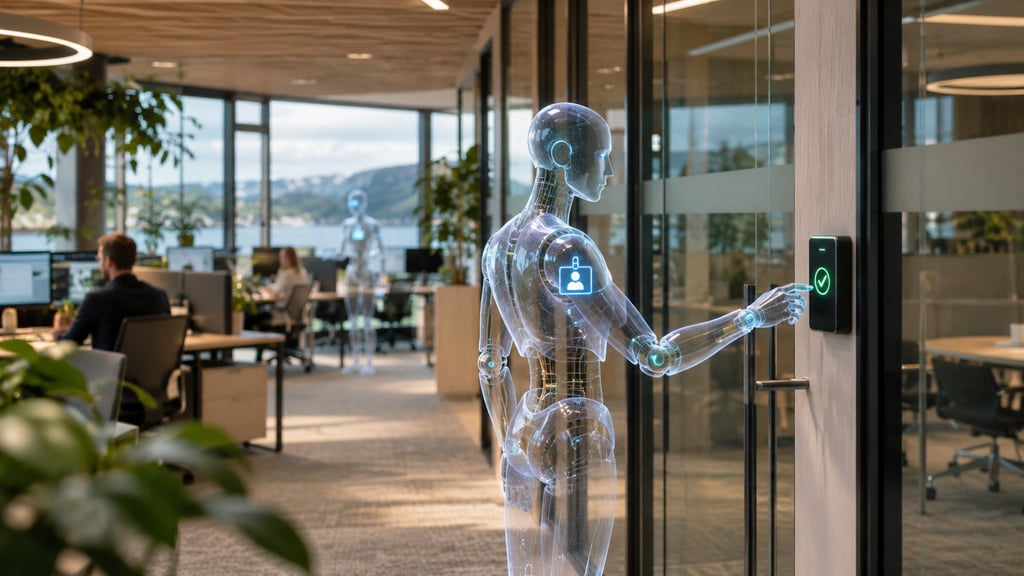
It is no longer just your users or services that access files, perform actions, or present analyses. AI agents now do these things as well. How can we maintain control?
Zero Trust as a security principle
Throughout my years working in IT security, I have repeatedly seen new technologies and concepts emerge as the latest buzzwords in the industry.
Cloud, Software-Defined WAN (SD-WAN), Software-Defined Access (SDA), machine learning (ML), Development Network (DevNet), Infrastructure as Code (IaC), and now Artificial Intelligence (AI), to name just a few.
Against this backdrop, I have noticed that principles such as Zero Trust are often oversimplified and presented as a single solution or implementation. In my view, this is highly misleading.
From my perspective, Zero Trust is a principle that should guide all security implementations. A Zero Trust network therefore consists of several different implementations working together to verify and validate everything that happens within the network.
Through a series of blog posts, I will explore several security concepts that I believe fall under Zero Trust and are necessary to establish it across different layers and areas of an organization's infrastructure.
Explore more

Ten years. Ten stories from the front lines of cyberwarfare

The future of cybersecurity: More regulation and three AI risks

Cyberattackers use AI, so cyber defense needs AI too