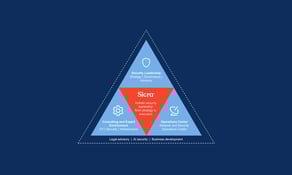
Moving from strategy and procurement to actual operations is a critical step in any technology transformation. With Sicra, we ensure that the solution is not only implemented, but also anchored in the organization, handed over properly, and continuously improved.
Four steps for successful operationalization
- Map the organization: Every organization has gaps, whether related to resources, silo thinking, resistance to change, or vendor commitments. These must be identified and addressed early. This makes it possible to proactively introduce measures such as new hires, outsourcing, or restructuring before they become bottlenecks. The result is a clear picture of where external support is needed and which partners should be retained or replaced.
- Change management: Adopting a Zero Trust or SASE platform often requires organizational changes. We help you identify weak points in advance, ensuring that teams and vendors are aligned and ready when implementation begins. This creates a smoother transition to operational operations.
- Handover to operations: Once the organization is prepared, we ensure a structured handover: Standard Operating Procedures (SOPs), work instructions, knowledge bases, and necessary training. This ensures that the operations team is fully prepared to take responsibility for the solution.
- Continuous improvement: Operationalization does not stop with the handover. To prevent a Zero Trust strategy from losing momentum, a culture of continuous improvement must be built. We recommend that the team implementing the platform also takes responsibility for operations and further development, ensuring that the roadmap stays alive and the technology never becomes outdated.
What can go wrong if these steps are skipped?
Without proper assessment, there is a higher risk of unpleasant surprises such as resource shortages, unclear ownership, and internal resistance. A lack of organizational alignment can lead to fragmented support, scattered budgets, and weak ownership of further development.
If the handover is not structured, it can create confusion, knowledge gaps, and unclear responsibilities in operations. Without a culture of continuous improvement, the technology risks becoming static, losing value, and quickly becoming outdated.
Why operationalization from Sicra?
We combine technical implementation with strong organizational anchoring, ensuring the solution works in practice, not just on paper. We make sure the operations team is prepared, confident, and properly trained before handover.
At the same time, we help build a culture of continuous improvement, ensuring the strategy continues to evolve alongside your organization’s needs.